
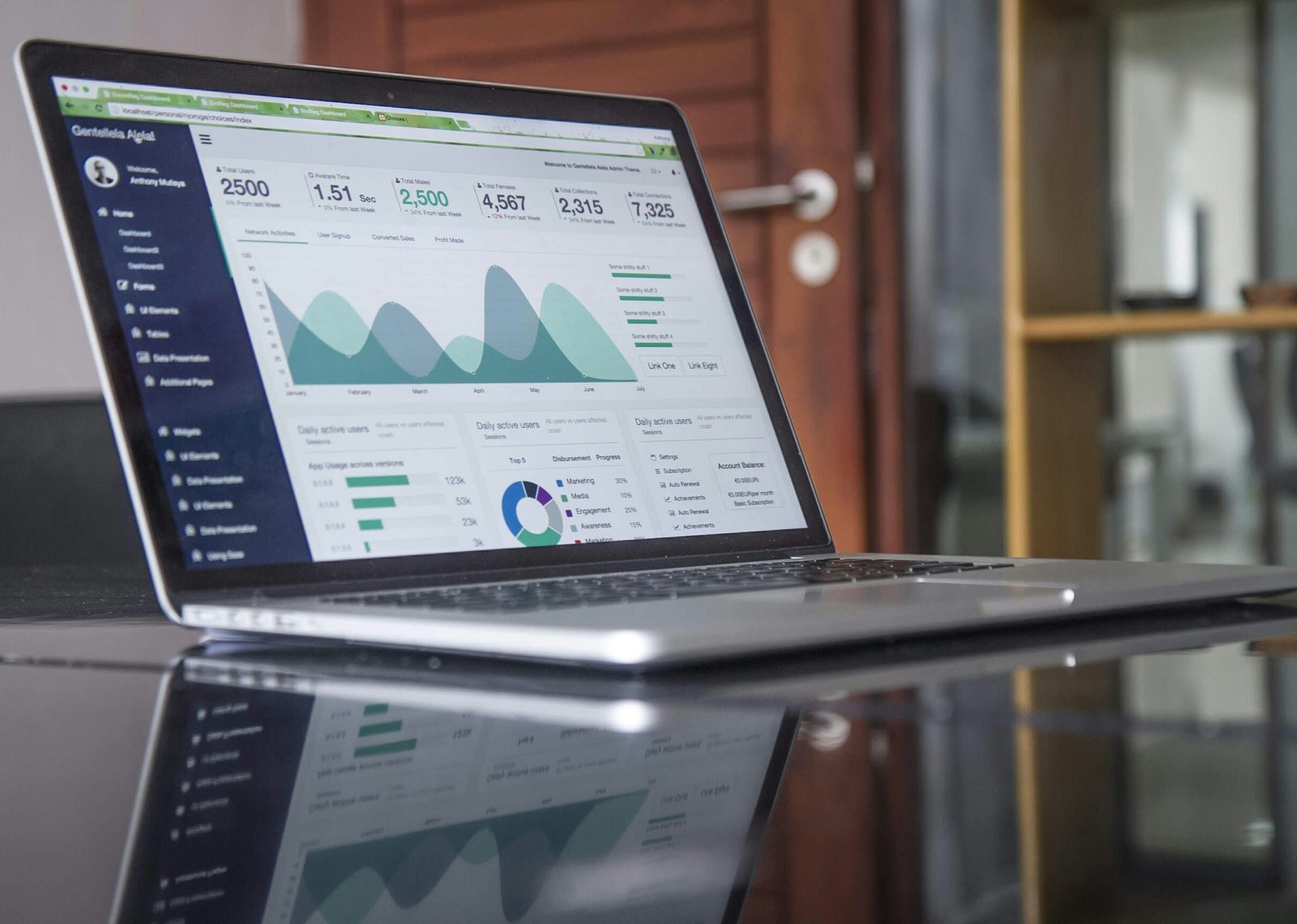
Data Everywhere, Insight Nowhere
Most organizations don't lack data. They lack a path from that data to a decision someone is actually going to make. A dashboard nobody checks before a meeting isn't business intelligence, it's a report that happens to exist.
From Warehouse to Dashboard
The pipeline matters more than the visualization at the end of it. Data warehousing consolidates information from across the business, ETL processes clean and structure it, and only then does a tool like Power BI or Tableau turn it into something an executive can act on in thirty seconds.
Skip the structural work and you get a dashboard that looks polished and answers the wrong question, because nobody agreed what the numbers meant before they were charted.
Governance Makes the Numbers Trustworthy
The fastest way to lose an organization's trust in its own data is to have two departments report different numbers for the same metric. Data governance, who owns a definition, who can change it, how it's validated, is what prevents that argument from ever starting.
Predictive, Not Just Historical
A dashboard that only shows what already happened is a rear-view mirror. Predictive analytics applied to the same clean, governed data starts answering what's likely to happen next, demand forecasting, churn risk, capacity planning, which is where BI stops being a reporting exercise and starts being a decision-making tool.